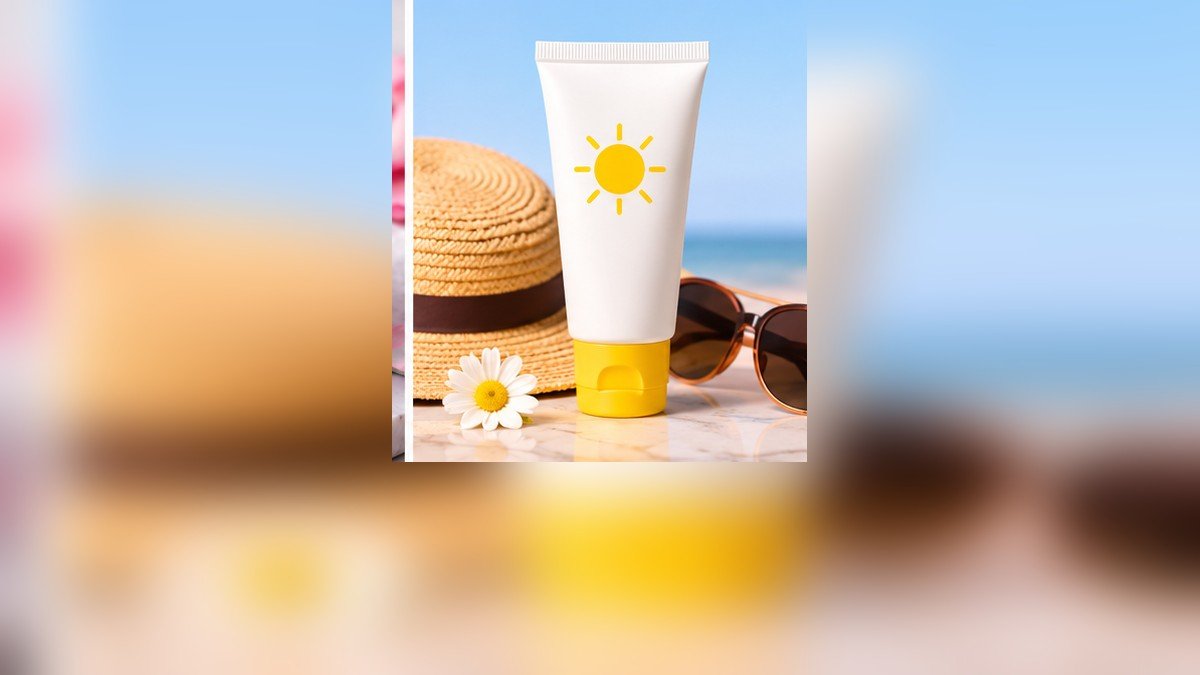
Choosing sunscreen for beginners becomes easier when you know what to look for on the label. A common recommendation is a broad-spectrum sunscreen with SPF 30 or higher for exposed skin.
What does broad-spectrum mean?
Broad-spectrum sunscreen is designed to protect against both UVA and UVB rays. Check the product label for the words ‘broad spectrum’ and follow its directions.
What does SPF 30 mean?
SPF is a measure related to protection from UVB rays under test conditions. SPF 30 is a useful minimum target in many public skin-care recommendations, but no sunscreen blocks every ray.
How to apply sunscreen
- Apply it to exposed skin according to the product label.
- Do not forget commonly missed exposed areas, such as ears and the back of the neck.
- Reapply as directed, especially after swimming, sweating or towel-drying.
- Use shade, hats and protective clothing as additional sun-safety measures.
Choose a formula you can use comfortably
Sunscreens come in different textures and formats. Find one that feels comfortable and follow the instructions. If a product irritates your skin, discontinue it and consider asking a professional for help choosing another option.
Frequently asked questions
Is sunscreen only for sunny days?
UV exposure can occur even when it is cloudy. Follow local sun-safety guidance and the sunscreen label.
Can makeup replace sunscreen?
Do not assume makeup provides enough protection. Use a dedicated sunscreen as directed; makeup can be an additional layer, not a substitute.
Leave a Reply